Nov 272011
 

The biggest meal of the year is over, and still it seems to keep going on and on … and on… for days! For many, Thanksgiving is all about the leftovers, and we cook so that there will be leftovers to enjoy, and we won’t have to cook for a few days. Well, that rarely seems to happen. You can only re-heat leftovers so many times before you’re yearning for something different. I, for one, like to have the Thanksgiving leftovers, but I never want them in the same form as the traditional turkey dinner. I like to create something different using the same ingredients so I don’t get bored with my meals.

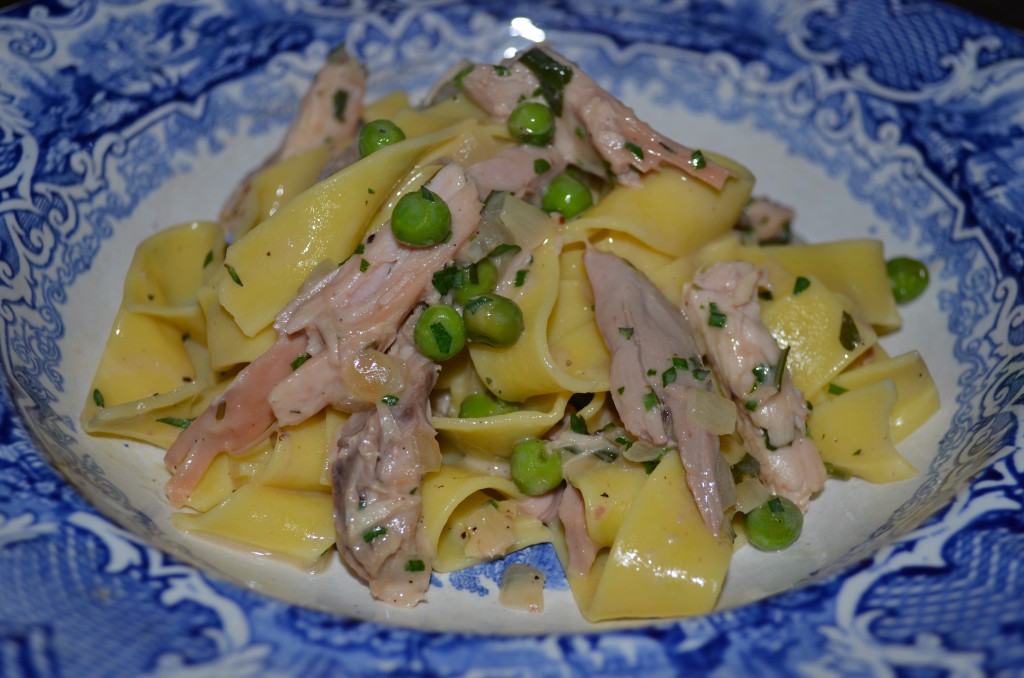
This year (so far), I’ve made two different Thanksgiving leftover meals, and I thought I’d share them with you. The first is a delicious salad that I had for lunch on Friday. In this recipe, I used up some turkey, stuffing and brussels sprouts and made the dressing with some leftover cranberry sauce. It was light and refreshing and delicious. Then, for dinner on Friday, I made a turkey stroganoff. That saw the last of my gravy used up, some more turkey and though I chose to serve it over pappardelle noodles, you could pour it over leftover mashed potatoes and have an equally satisfying meal.

Happy Continuing Thanksgiving!

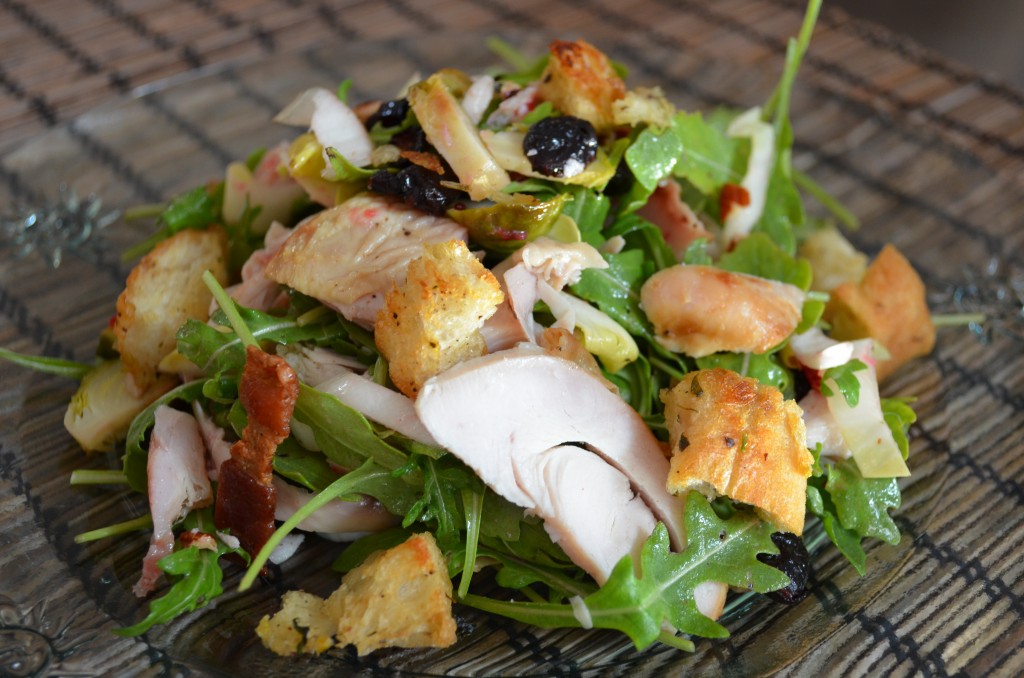
Turkey Cranberry Salad with Stuffing Croutons

a plate of salad with sliced turkey, croutons, bacon, cranberries showing

Serves 2

Ingredients:

  • 1/2 cup leftover cooked turkey stuffing
  • 2 - 3 ounces arugula (or any salad green)
  • 1 endive, sliced
  • 1/4 dried cranberries
  • 1/4 cup pecans
  • 1/4 cup leftover vegetable, cut into bite-sized pieces (I used Brussels sprouts, but you could use anything - green beans, roasted sweet potato…)
  • 1 cup leftover cooked turkey, shredded into bite-sized chunks
  • 1/2 teaspoon mustard (Dijon or whole grain)
  • 1 teaspoon white wine vinegar
  • 2 teaspoons cranberry sauce
  • 4 teaspoons olive oil
  • salt and freshly ground black pepper to taste
Directions:
  1. Pre-heat the oven to 375 degrees F.
  2. Spread the stuffing out onto a baking sheet and toast in the oven until browned and crispy - about 10 to 15 minutes.
  3. Combine the arugula, endive, cranberries, pecans, vegetables and turkey in a large bowl.
  4. In a smaller bowl, combine the mustard and white wine vinegar and mix until the mustard has dissolved. Add the cranberry sauce and mix again. Add the olive oil and stir to blend everything together. Season with salt and pepper.
  5. When the stuffing has toasted, add it to the bowl with the salad greens and toss everything with the cranberry dressing.
  6. Transfer to two plates and enjoy!
Turkey Stroganoff
pappardelle noodles with shredded turkey and green peas in a blue and white bowl

Serves 3 - 4

Ingredients:

  • 2 teaspoon olive oil
  • 1/2 onion, finely chopped
  • 1/2 pound egg noodle pappardelle
  • 1 cup leftover gravy (this dish is only as good as your gravy, so if you didn’t like your gravy, make the salad above!)
  • 1/2 cup frozen peas
  • 1 1/2 cups leftover cooked turkey, shredded into bite-sized pieces
  • 1 teaspoon chopped fresh thyme
  • 1 tablespoon chopped fresh chives
  • 1 tablespoon chopped fresh parsley
  • salt and freshly ground black pepper
  • 2 tablespoons sour cream
  • 1 teaspoon lemon zest (optional)

Directions:

  1. Bring a large stockpot of salted water to a boil.
  2. Pre-heat a skillet over medium-high heat. Add the olive oil and cook the onion until soft and translucent - about 8 to 10 minutes.
  3. Drop the pasta into the large pot of boiling water and cook until it is al dente, according to the package instructions.
  4. Add the leftover gravy to the skillet and bring to a boil. Add the frozen peas and leftover turkey and warm through. Add the fresh herbs and season with salt and pepper. Remove the gravy from the heat and stir in the sour cream.
  5. Drain the pasta and transfer to a large serving bowl. Pour the stroganoff mixture over the top. Season with more black pepper and lemon zest, if desired.
Of course, if you’ve exhausted your imagination with possible turkey leftover recipes, there is one last recipe that always pleases a crowd ….
a golden retrieve and a terrier mutt eating turkey and dog chow out of two dog bowls
Nov 202011
 

I know for some, Thanksgiving just wouldn’t be Thanksgiving if there wasn’t a jellied cylinder of cranberry sauce on the table. There are just some people who can’t break from tradition, and because their mothers bought the can of cranberry sauce, inverted it onto a plate and possibly cut it in half to serve with the roast turkey, they feel the need to do the same. However… I’m here to tell you how easy it is to make your own cranberry sauce, and to let you know that you can compliment that plain cranberry flavor with so many other flavors to make your turkey condiment the best you’ve ever had. Once you’ve tried your own, you’ll never go back to that can again.

Now before you say you have too much to do on Thanksgiving to make your own cranberry sauce, let me tell you that you can easily make this ahead of time and you should do it today! (You can also make your gravy ahead of time, but that’s another story…)

Cranberries are abundant in grocery stores right now. Bags and bags of bright red berries are lying in huge piles in produce sections across the country. Those fresh fruit that you see are only 5% of the total cranberry production, however. 95% of the cranberries grown in North American are turned into juice, jam, sweetened dried cranberries and yes… those cans of cranberry sauce. Over half of the US production of cranberries comes from Wisconsin, with Massachusetts growing the second largest amount, but cranberries are also cultivated in New Jersey, Oregon, Washington and several Canadian provinces, British Columbia, New Brunswick, Ontario, Quebec, Nova Scotia, Prince Edward Island and Newfloundland.

You see, cranberries need a cool weather climate to grow. They are grown on low creeping shrubs or vines that can be as long as 7 feet or so. Many of us have visions of cranberries growing in flooded fields (like the Ocean Spray commercial with the two farmers standing up to their hips in water and cranberries). In fact, the fields are not flooded during the growing season, but are only flooded in the Fall for harvesting (and again in the Winter to protect the fields from cold weather). When the cranberries have turned from white to deep red and it’s time to harvest the fruit, the field is flooded with 6 - 8 inches of water over the vines. Then a harvester is driven through the fields and separates the berries from the vines. Cranberries float, so they are then easy to gather into one area to collect. The only trouble with this method of harvesting is that it is prone to bruising the cranberries. For commercial purposes, this is not too troublesome. A small amount of cranberries are still dry-picked, however, and these are usually the ones you’ll find fresh in the grocery stores right now.

Cranberries are one of only three fruits native to North America (along with the Concord grape and the blueberry). That’s not to say they don’t grow elsewhere in the world, for there are cultivators of cranberries in northern Europe too, but it was not a crop that was brought to America by Europeans. Cranberries have had many different names over the years. They were at one time called craneberries because the early European settlers felt that the flower, stem and petals resembled the neck, head and bill of a crane. They’ve also been referred to as Bounceberries because they bounce, which is actually a great way to detect over-ripe, shriveled, bruised or smashed cranberries (they won’t bounce). Canadians also refer to cranberries as mossberries, while the traditional British name for them is fenberry (referring to fens or marshes), and the old New England name was bearberries (since humans aren’t the only ones who enjoy cranberries from time to time!). Cranberries are sometimes confused with lingonberries, which is not a travesty for they are very similar. Lingonberries are grown in mountainous regions, however, and are are also called mountain cranberries. They are smaller and juicier than cranberries, but still tart. The Lingonberry is big in Scandinavia (and IKEA!).

Whatever you call them, the tart flavor of the cranberry pairs so nicely with a number of other ingredients. Sweet ingredients are especially good matches because they tame the tart, acidic quality of the cranberry. I also really like cranberries with fresh herbs. Some of my favorites ingredients to pair with cranberries are orange, pear, maple syrup and tarragon. Here are a couple of recipes that will get you started on a tradition of making your own cranberry sauce every year!

Orange Cranberry Sauce


Ingredients:

  • 12 ounces fresh cranberries (about 3 cups)
  • 1 orange, zest and juice (juice about 6 tablespoons)
  • 1/2 cup sugar
  • 1 cinnamon stick
  • good pinch freshly ground nutmeg
  • pinch salt
  • 1/4 cup water

Directions:

  1. Combine all ingredients in a 2 to 3 quart saucepan and bring to a simmer.
  2. Reduce the heat and simmer for 30 to 40 minutes, or until all the cranberries have popped and broken down into a sauce.
  3. Cool to room temperature and serve. (Or, store in an air-tight container and refrigerate. Bring to room temperature or heat gently to serve.)


Maple Pear Cranberry Sauce

Ingredients:

  • 12 ounces fresh cranberries (about 3 cups)
  • 3 Bartlett pears, peeled, cored and chopped
  • 1/2 cup maple syrup
  • 1 cinnamon stick
  • good pinch freshly ground nutmeg
  • pinch salt

Directions:

  1. Combine all ingredients in a 2 to 3 quart saucepan and bring to a simmer.
  2. Reduce the heat and simmer for 30 to 40 minutes, or until all the cranberries have popped and broken down into a sauce.
  3. Cool to room temperature and serve. (Or, store in an air-tight container and refrigerate. Bring to room temperature or heat gently to serve.)
Nov 142011
 

photography by Daniel Loiselle

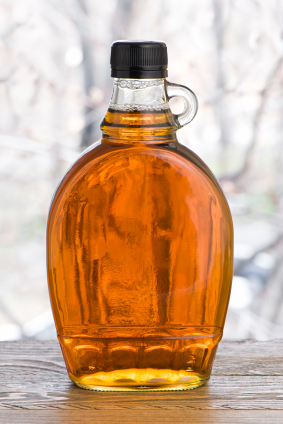
A dear friend of mine will turn 40 in a couple of weeks. In her younger (should I say wilder, crazier) days, she would drink shots of maple syrup. She said that a shot of maple syrup was like an “apple a day”. I don’t know if she was right about that (although, come to think of it, she didn’t see many doctors in those days), but I do know she had one thing right - she only ever drank pure maple syrup. She knew what she was doing - she was from Vermont, after all.

Being Canadian, I have to agree and fully condone the intake of only pure maple syrup over all artificial forms. I’m not saying that the impostors known as pancake syrups don’t have a place in this world, but they definitely should not be confused with pure maple syrup. They are flavored with a maple flavoring, but in large part are made of high fructose corn syrup. What does that have to do with the sap from a maple tree?

That’s exactly what maple syrup is - the xylem sap from the sugar maple, red or black maple trees. These trees store starch in their trunk and roots in the cold weather, and as the weather warms in the spring, this starch is converted to sugar and rises in the sap of the trees. The trees are tapped to extrude the sap, at which point it does not resemble what we know as maple syrup. It has to be boiled and the water evaporated in order to concentrate the sap into what we lovingly pour all over our pancakes. In fact, it takes 20 - 50 liters of sap to make just 1 liter of maple syrup. Hence, pure maple syrup comes along with a high price tag, which makes it tough to grab the pure maple syrup off the grocery store shelf over the cheaper artificial versions sitting right beside, but it truly is worth it! In the same way that real Parmesan cheese is far better than the version of “cheese” that comes in a green can, the flavor of pure maple syrup is leaps and bounds above pancake syrup. Just ask those who know - the Quebecois. The province of Quebec makes 75% of the world’s maple syrup and the Quebecois refer to artificial syrup as “sirup de poteau” or “pole syrup”, implying that it was acquired by tapping a telephone pole! Saucy folk, those Quebecois!

Maple Syrup is one of very few genuinely North American agricultural products not introduced by Europeans, and in Canada, as in Vermont, New York, Maine, New Hampshire, and other states that produce maple syrup, it is taken seriously. In these places, people care not just about whether the syrup is pure or not, but also about the grades of maple syrup they use. Lighter versions, like Canada#1 Extra Light (AA), Canada #1 Light (A), or USA Grade A Light Amber (fancy) are used at the table, but don’t have a strong maple flavor. True lovers of maple syrup will pride themselves in using Canada #1 Medium (B) or even Canada #2 Amber (C), USA Grade A Medium Amber or Dark Amber. Then there are even darker grades of syrup, like Canada #2 Dark (D) or USA Grade B, but these are generally used in cooking and baking.

Speaking of cooking and baking, maple syrup is a good substitute for sugar in many applications. It is about three times as sweet as sugar, so when substituting, use 3/4 cup of maple syrup for every 1 cup of sugar. If baking, you’ll also want to reduce the largest quantity of liquid in the recipe by 3 tablespoons for every cup of maple syrup used, and check your finished product a little sooner since maple syrup browns quickly. It may sound complicated at first, but it really isn’t. I particularly like the sweet flavor that maple syrup imparts to foods. It is sweet, but it seems to me to be a “smoother sweet” than that of refined granulated sugar.

Here are a couple of recipes that use maple syrup. The first is a vegetarian chili recipe that combines the spice of jalapeño, cayenne pepper and chili powder with the sweetness of maple syrup. This is a feel-good chili that leaves you feeling satiated without feeling like you need to lie down for a while.

The second recipe is a favorite dessert of mine. It’s name, Pudding Chomeur, comes from the Quebecois word for ‘unemployed’. In the land where maple syrup was plentiful and not expensive, this was a dessert that could be whipped up for very little and believe me, a little goes a LONG way! I’ve tried several different versions of Pudding Chomeur, but this is my favorite so far. Credit goes to Gourmet Magazine who adapted this recipe from a very well known restaurant in Montreal called “Au Pied du Cochon”. Try this one - delicious!

Maple syrup should be a staple pantry item in everyone’s kitchen. Incorporate it wherever you think you’d like a little sweet flavor - a smooth sweet flavor. You’ll be surprised at the number of places you can enjoy its flavor. Once you’ve converted to the faithful of those who believe in using only pure maple syrup, you might even enjoy it in a shot glass!

Vegetable Chili with Maple Syrup

Serves 4 - 6
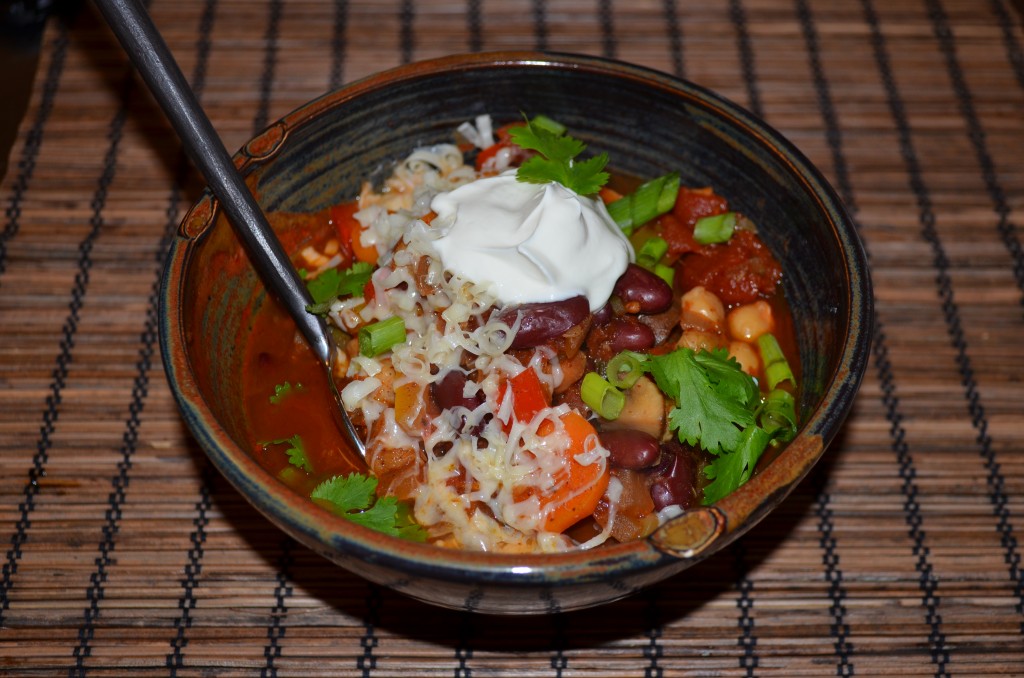
Bowl of colorful chili in brown bowl with spoon. Dollop of sour cream on top.

Ingredients:

  • 1 tablespoon olive oil
  • ½ cup chopped onion
  • 2 cloves garlic, minced
  • 2 carrots, sliced ¼-inch thick
  • 1 red pepper, chopped
  • 1 yellow pepper, chopped
  • 1 green pepper, chopped
  • 1 jalapeno pepper, chopped
  • 1 zucchini, chopped
  • 1 yellow squash, chopped
  • 4 ounces button mushrooms, quartered
  • 2 tablespoons chili powder
  • 1 tablespoon ground paprika
  • ½ teaspoon dried oregano
  • ½ teaspoon ground cinnamon
  • 1 teaspoon salt
  • pinch – ¼ teaspoon cayenne pepper (depending on how spicy you’d like it)
  • pinch ground cloves
  • 1 28-ounce can whole plum tomatoes, diced or crushed by hand
  • 2 tablespoons maple syrup
  • 1½ cup chickpeas, cooked or canned
  • 1½ cup red kidney beans, cooked or canned
  • chopped fresh cilantro (or parsley)
  • sour cream (optional)
  • Cheddar cheese, grated (optional)

Directions:

  1. Heat a large Dutch oven over medium-high heat. Add the olive oil and sauté the onion, garlic, carrots, peppers for 8 minutes. Add the zucchini, yellow squash and mushrooms and continue to cook for another 6 minutes.
  2. Add the oregano, cinnamon, paprika, chili powder, ground cloves and cayenne and stir to mix well, continuing to cook for another minute or two.
  3. Add the tomatoes and maple syrup and bring everything to a simmer. Cook over medium-low heat for 35 minutes, or until all the vegetables are tender.
  4. Stir in the beans and simmer for another 10 minutes. Then season with salt and more cayenne pepper if desired.
  5. Garnish with cilantro (or parsley if preferred) and serve with a dollop of sour cream and some grated Cheddar cheese.


Pudding Chomeur

Serves 6
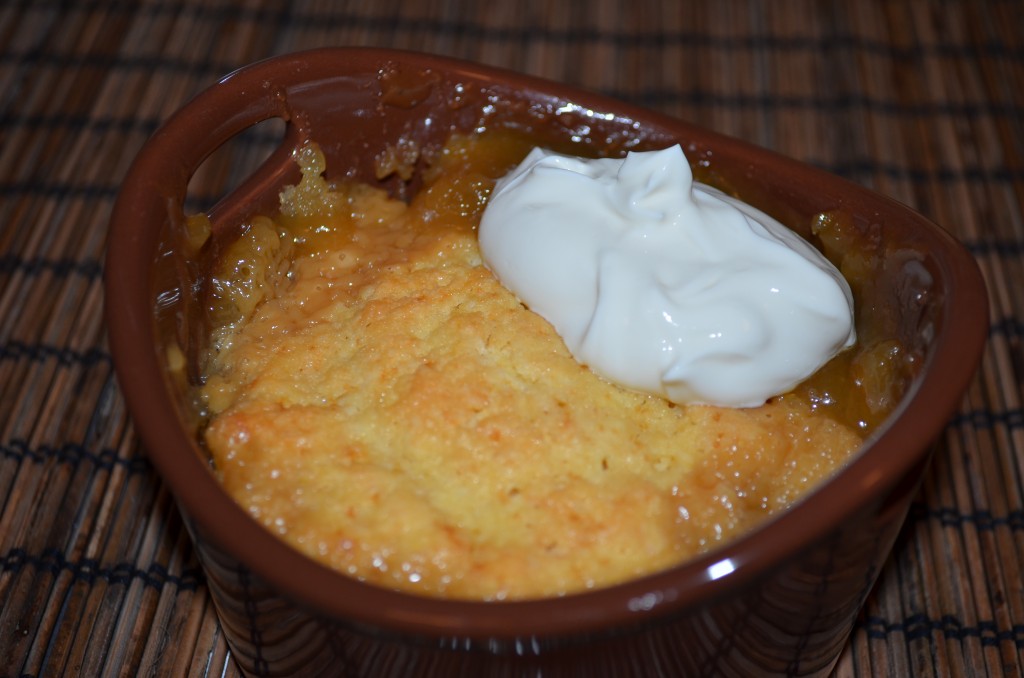
Close up shot of baked pudding in brown ramekin with dollop of sour cream

Ingredients:

  • 1 cup pure maple syrup
  • ¾ cup heavy cream
  • 2 teaspoons cider vinegar
  • pinch of salt
  • 6 tablespoons butter
  • 1/3 cup granulated sugar
  • 1 egg
  • ½ teaspoon pure vanilla extract
  • 1 cup cake flour
  • 1 teaspoon baking powder
  • ¼ teaspoon salt
  • sour cream (optional)

Directions:

  1. Preheat the oven to 350º F.
  2. Combine the maple syrup, heavy cream, cider vinegar and salt in a small saucepan and bring to a boil. Remove from the heat.
  3. Cream the butter and sugar together with an electric mixer until light and fluffy. Add the egg and vanilla extract and beat until just combined.
  4. Add the flour, baking powder and salt and mix until just combined (the batter will be thick).
  5. Pour 1/3 cup of the maple syrup mixture into a 9-inch square cake pan. Divide the batter into 6 mounds and place them in the cake pan, spaced evenly. Pour the remaining maple syrup mixture over and around the mounds.
  6. Bake for 25 to 30 minutes or until the top is golden and firm to the touch. Serve warm with a dollop of sour cream.

 

Nov 062011
 

I’ve been cooking in a clay baker for years. I love the way the foods come out of it deliciously moist, the way the aroma of the food wafts through the house as it cooks, and frankly, I just love the way a clay baker looks. Recently, I’ve been cooking in a clay baker a lot because I have a recipe project for one on the go. That’s why the ad for roasting a chicken in clay in the Williams-Sonoma catalogue caught my eye.

Williams-Sonoma wasn’t advertising a clay baker, however. They were selling actual clay to mold around your chicken and completely seal it in while it roasts. The clay comes raw and bakes into a hard shell while the chicken cooks inside. The only way to retrieve your beautiful roast chicken is to break the clay - quite the table-side presentation, or at least just some fun for the cook in the kitchen. I couldn’t resist and decided to give it a try.

Williams-Sonoma's Roasting Clay kit

Now before I go any further, I should let you know that this was not an inexpensive chicken dinner. The clay kit was about $15 and on top of that I spent a lot of money on the best “organic-no antibiotic-field roaming-vegetarian diet-chicken” I could find. The chicken alone, if you can believe it, was $18! I had decided that if I was going to give this clay a good test, I was going to give it the best shot possible, plus I was willing to pay for the entertainment value.

The process was relatively easy. I stuffed a flavorful butter mixture underneath the skin of the chicken on the breast and leg (2 tablespoons butter, 1 teaspoon chopped fresh thyme, 1 teaspoon minced garlic, 1 teaspoon lemon zest, 1 teaspoon kosher salt). Then, I rubbed more butter on the outside of the chicken, stuffed the lemon halves inside the cavity, and wrapped the chicken in parchment paper. The clay came in two slabs, which I rolled out into large ovals. One slab went on the bottom of the sheet pan lined with parchment paper. The wrapped chicken lay on this slab of clay with the parchment seam down.

chicken wrapped up and ready to encase in clay

The second slab of clay was laid over the top of the chicken and then the edges of the clay were sealed together. The finished product was like a huge beef Wellington! I sent the clay vessel into a hot 425 degree F oven for 1 hour 20 minutes.

the parchment paper makes transferring the clay to the chicken easy

peeling the parchment paper off...

ready for the oven...

Now, I think if I were to do this again, I’d make a bigger effort to decorate the clay on the outside somehow - use clay scraps to make leaves or some sort of decoration, or write a little message in the clay - “Bon Appetit!” perhaps, or some special message? The clay baked into a hard shell and remained a light gray color. Still, despite the lack of decoration it was sort of exciting to pull the now hardened egg out of the oven. It rested for 15 minutes - enough time to pull the rest of the meal together.

out of the oven and resting

Then, the best part… I broke it open. It broke easily and the pieces of clay were warm but cool enough to move away and reveal the chicken wrapped in parchment inside.

breaking the mold

you can see why you wrap the chicken in parchment paper - to avoid the clay dust getting on your dinner

first rips to reveal the brown chicken

The best part didn’t last long and soon the chicken was entirely unwrapped. What was really noticeable once all the clay was removed were all the juices from the chicken in the bottom of the clay mold. Yum! The chicken was lightly browned and amazingly juicy. We ate.

it was lightly browned, very tasty and extremely juicy

Final benefit… a clean oven and no roasting pan to clean. I just threw the broken clay away.

So, was it the $18 chicken that tasted so good, or was it the herb butter under the skin that made it so flavorful, or was it indeed the clay baking technique that gave the chicken an incredible juiciness? Who’s to say, maybe all three. I do know that baking (and breaking) a chicken has never been quite as entertaining. It was fun and it was memorable. Now I can honestly say “Boy! When I baked that chicken, I broke the mold!” :)