I’ve been cooking for years now, both professionally and for personal enjoyment. What never ceases to amaze me, and one of the things I love most about cooking, is that I am constantly learning new things and changing the way I cook. I eat out at restaurants a lot and learn about new ingredient combinations. I read a lot of food magazines and books and learn about new cooking techniques and new foods on the market. I play with ethnic dishes when I cook and learn about entirely different cuisines. Finally, I just cook a lot and I learn through experience about what works and what enhances a meal. This past year, the one lesson that has affected me the most involves my use of fresh herbs.
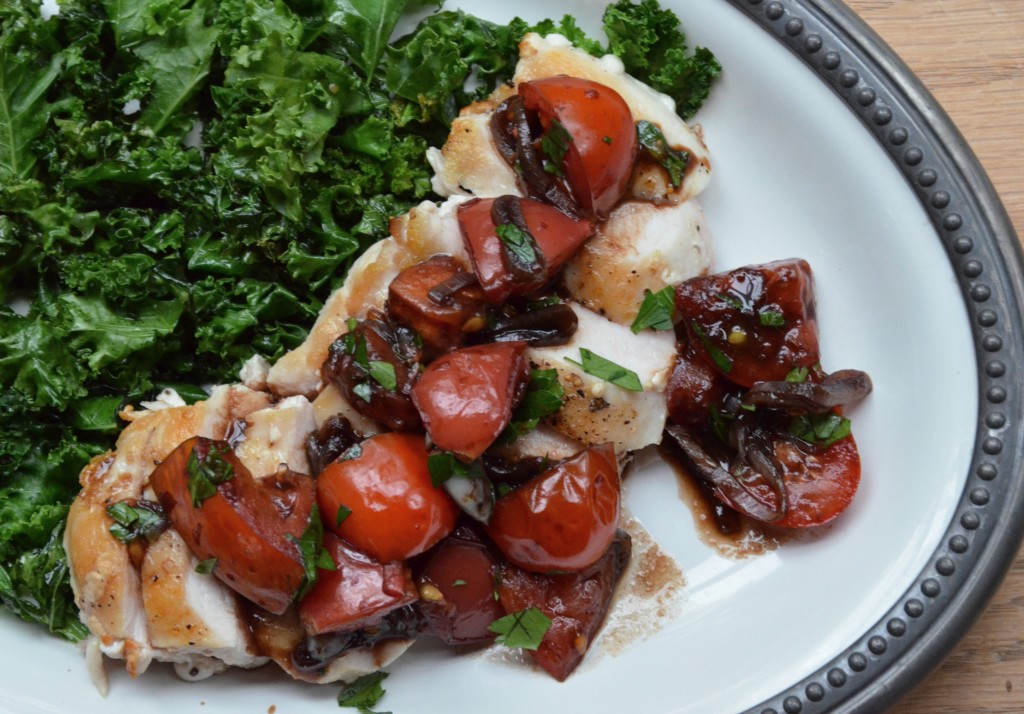
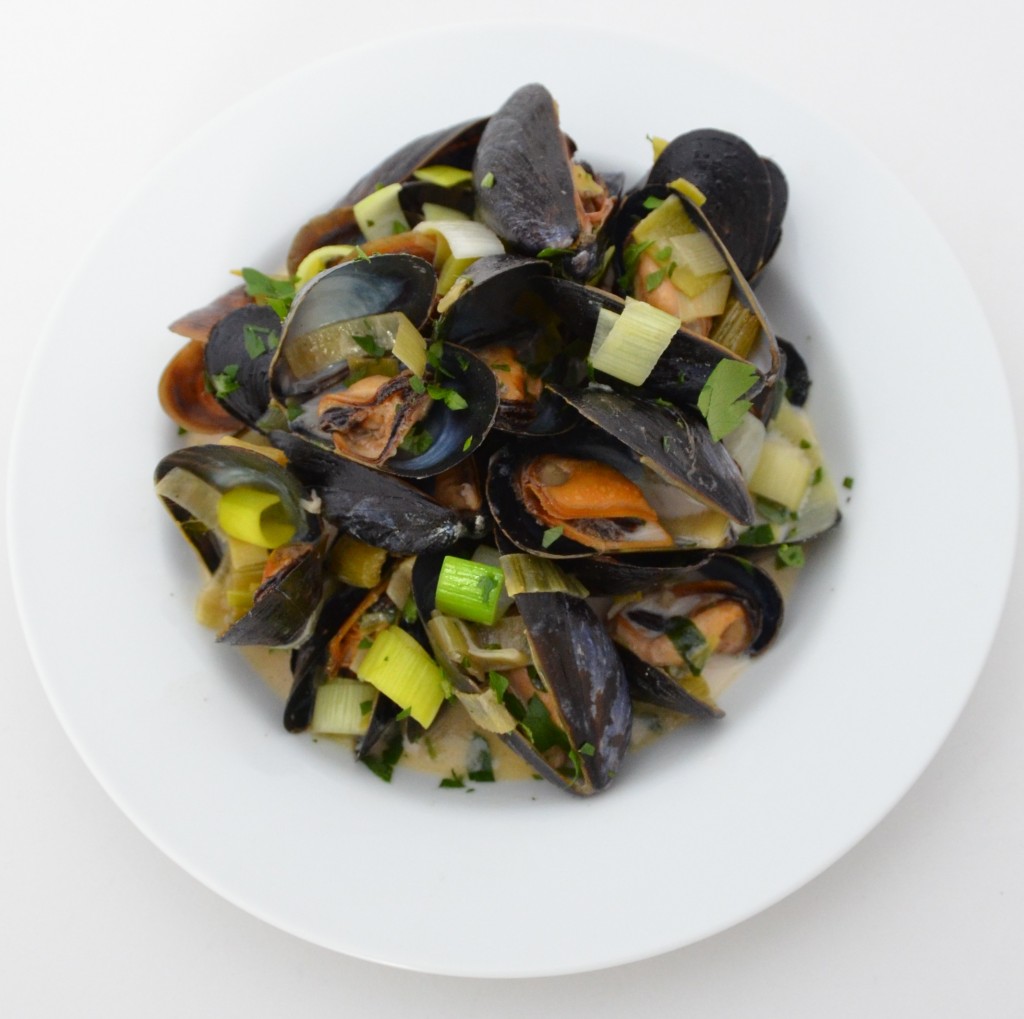
Using fresh herbs is not new to me. I’ve always preferred to cook with fresh herbs over dried herbs for the most part. I like the fresh, bright and pure flavor that fresh herbs provide. This year, however, I’ve started adding way more than I’ve used before. Part of the reason for that is my herb garden. Any gardener knows that pruning and pinching herbs is good for the plant and generally helps it grow. So, this past summer, every time I went into my garden to cut herbs for a meal, I cut more than I needed. Then, I started using more than I felt I needed, and the flavors really started to shine and complement the dishes I was making. They became a critical ingredient and flavor of their own accord, rather than a supplementary flavor or just color garnish for the dish. This is not rocket science or any new revolutionary culinary technique. It’s just my own personal observation, and frankly it’s probably a little late for me to be making this realization, but better late than never. Sometimes we get a little set in our cooking ways, and a small change can make a big difference.
Many of you have asked me about using fresh herbs in meals and how using fresh herbs differs from using dried herbs, so I thought I’d take a little time to talk about herbs. There are two main rules to using herbs in your cooking.
Rule #1: dried herbs should be added to foods at the beginning of cooking so there is time for the flavor to be released, while fresh herbs should be added at the end so that their flavor remains bright and doesn’t disappear.
Dried herbs are dried (obviously!) and need some time to re-hydrate and release that flavor. Consequently, you should use dried herbs when your cooking technique takes some time and involves some liquid. Chilis, stews, braises, soups - these are all dishes that could use dried herbs, added at the beginning of the cooking process. Fresh herbs tend to have a cleaner, more pure and brighter flavor, but this flavor is delicate and can be completely cooked away if the herbs are added at the beginning of cooking. For instance, I love cilantro added to chili, but only at the very end, right before serving.
Rule #2: when converting from dried to fresh herbs in a recipe, you should use four times as much fresh herb as dried (AND you should add it at the end of cooking, rather than at the beginning).
Just like dried fruit, dried herbs have a very concentrated flavor, so you can use a lot less. At the same time, their flavor can become stale. We all keep our herbs and spices way too long. Often, we even relocate our home and pack our dried herbs and spices to take with us! Generally, dried herbs and spices will last for six months before they lose their impact. I’m not saying you should throw all your dried herbs out (although, you really should throw all your dried herbs out), but I am suggesting that you purchase herbs in smaller quantities and replace them more frequently.
Aside from the two main rules, you still might be wondering about what herbs to put with what foods. I generally think about the ethnicity of a dish and add herbs that are common to that cuisine. For example, Italian cuisine uses a lot of oregano, parsley, basil, rosemary, and sage. Greek food includes a lot of dill, oregano, rosemary, and mint. French cuisine incorporates a lot of parsley, basil, rosemary, thyme, tarragon, lavender, and sage. Asian herbs include cilantro, lemongrass, and Thai basil. If you know the type of cuisine you’re cooking, which herbs to use comes pretty naturally and you really can’t go wrong.
Of course, there are some classic food-herb combinations. Here is a little list of suggested herb-food pairings. It certainly is not exhaustive, but it might give you a little idea of how to use different herbs.
Parlsey: almost anything that you want to give a fresh grassy note to; soups, butters, pastas, eggs/omelets, lentils, beans… really anything
Sage: squashes (like butternut, pumpkin), poultry, beans (white beans), lamb, stuffing, apples, goat cheese
Chives: potatoes, eggs, goat cheese, anywhere you want a mild onion flavor
Rosemary: potatoes, lamb, chicken
Thyme: chicken, fish, vegetables
Basil: tomatoes, pesto
Tarragon: salads, fish, potatoes, chicken, anywhere you want a slight licorice/anise flavor
Dill: potatoes, goat cheese, fish, shrimp
Oregano: chicken, pizza
Cilantro: curries, salsas, chilis
Mint: lamb, potatoes, tea
Really, the best way to learn about herbs, where to use them, and how much to use is to do exactly what I did - use them! The beautiful thing is you can learn something new every day!