
 I’ve been eating blueberries by the handful lately. I don’t have a huge family to feed, and yet I buy the largest container I can of the little blue fruit and keep them in my fridge. I start my day with a handful or two on my cereal or in my oatmeal. Later on, when in need of a snack, I grab another handful and pop them in my mouth one by one. In the afternoon, I get the urge for something refreshing. Yes, once again, I grab a handful of blueberries from the basket in the fridge. Recently, I’ve started to worry a little about my blueberry binging. Is it safe to have so much of a good thing? I mean, are we actually permitted to indulge in a pleasure to such an extent? And, what about repetition killing desire? Will I tire of blueberries if I overdo it?
Blueberries have had some very good PR in recent years. It’s next to impossible to hear mention of blueberries without also hearing something about their nutritive powers. Phytonutrients. Antioxidants. Anthocyanin. These are the words used in conjunction with the little berries. The general consensus about blueberries is that they promote “healthy aging”. The antioxidants in the fruit “neutralize free radicals” and “protect against inflammation”, thereby helping to prevent Alzheimer’s disease, and other illnesses associated with aging. Blueberries are supposed to be beneficial for your brain, your heart, your urinary tract, your vision, and, on top of it all, are cancer preventative. Wow. With a reputation like that, why isn’t everyone eating blueberries by the handful?
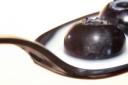 I’m not really influenced by the stories. Yes, there might be scientifically proven studies behind these claims, but frankly, I don’t really care. I’m not eating blueberries because they are a medical wonder-fruit. No, my binging and obsession is more organic, so to speak. I simply eat blueberries by the handful because I like them. I like the way they taste and I like the way they burst in my mouth. I like the way they mix with the milk in my cereal, sweetening it ever so slightly and turning it a little purply-grey. I like that blueberries are blue, unlike anything else in my fridge or pantry. Really, I’ve been binging on blueberries because they are in season right now, abundant in my grocery stores, practically begging me to take them home. They’re also on sale.
So, is it really necessary to continue pushing the nutritive benefits of blueberries? Doesn’t the essence of the blueberry speak for itself and keep blueberry sales up? Well, I wouldn’t suggest firing the PR department just yet. Their work in creating such a positive image for the blueberry has allowed me to like and indulge in blueberries – guilt-free! So often foods that we love are declared “off limits” and interwoven with guilt. We’re warned not to eat too much fat, too much sugar, too many carbohydrates. While we can’t really go eating donuts or cream puffs by the handful, blueberries are a whole other story. They are good for us, according to the “experts”, so we feel a sense of permission to down them by the handful. At least I do.
With permission to eat as many as I want without the guilt, will blueberries become boring? Well, possibly. If I look at all the other food obsessions I have ever had, one thing is certain – they all come to an end. (Well, almost all of them.) I’m not worried, however, for the end of my food obsessions usually coincide with the end of that food’s season, only to reappear the following year. The season for blueberries is quite long (pretty much all summer), so I have a few months of blueberry binging left.
In the meantime, I’m just thankful that chocolate has no season.
 When I was growing up, it seemed that no-one even knew where Trinidad was located (let alone Tobago!). Things are different now. Just recently, I stumbled across three references to Trinidad and its cuisine in mainstream American print media. Saveur, one of America’s top food magazines, published an article devoted to Trinidad Carnival in their March 2006 issue. Chile Pepper Magazine also featured Trinidad in the very same month, giving special attention to Trinidad’s local Congo chile pepper. Topping both these articles was the release of Sweet Hands: Island Cooking from Trinidad & Tobago, by Ramin Ganeshram, a 247-page cookbook full of recipes and anecdotes wholly Trinidadian.